When it comes to a living trust in Windermere, Florida law leaves little room for error. The state has specific requirements a will must meet — and overlooking even one can invalidate the entire document. We encounter this often. Someone drafts a document at home, signs it, stores it away, and assumes their family is protected. Problems appear later, precisely when family members need clarity the most.
Think of it like moving your house from your left pocket to your right pocket. They are the same pants, and it is still you. The title on the deed looks different at the Orange County recorder’s office, but you have not given up a thing. This is a point many people miss. Because you are the trustee of your own revocable living trust, you still file your taxes the same way. You still claim your homestead exemption in Windermere. The IRS does not treat the trust as a separate taxpayer while you are alive and serving as trustee. According to the American Bar Association, a revocable living trust does not change your income tax situation during your lifetime. The true benefit comes later. When you pass away or become unable to manage things yourself, a successor trustee you have already chosen steps in. There is no court. There are no probate proceedings. There is no delay. Your family gains clarity instead of confusion, and that is the whole point.
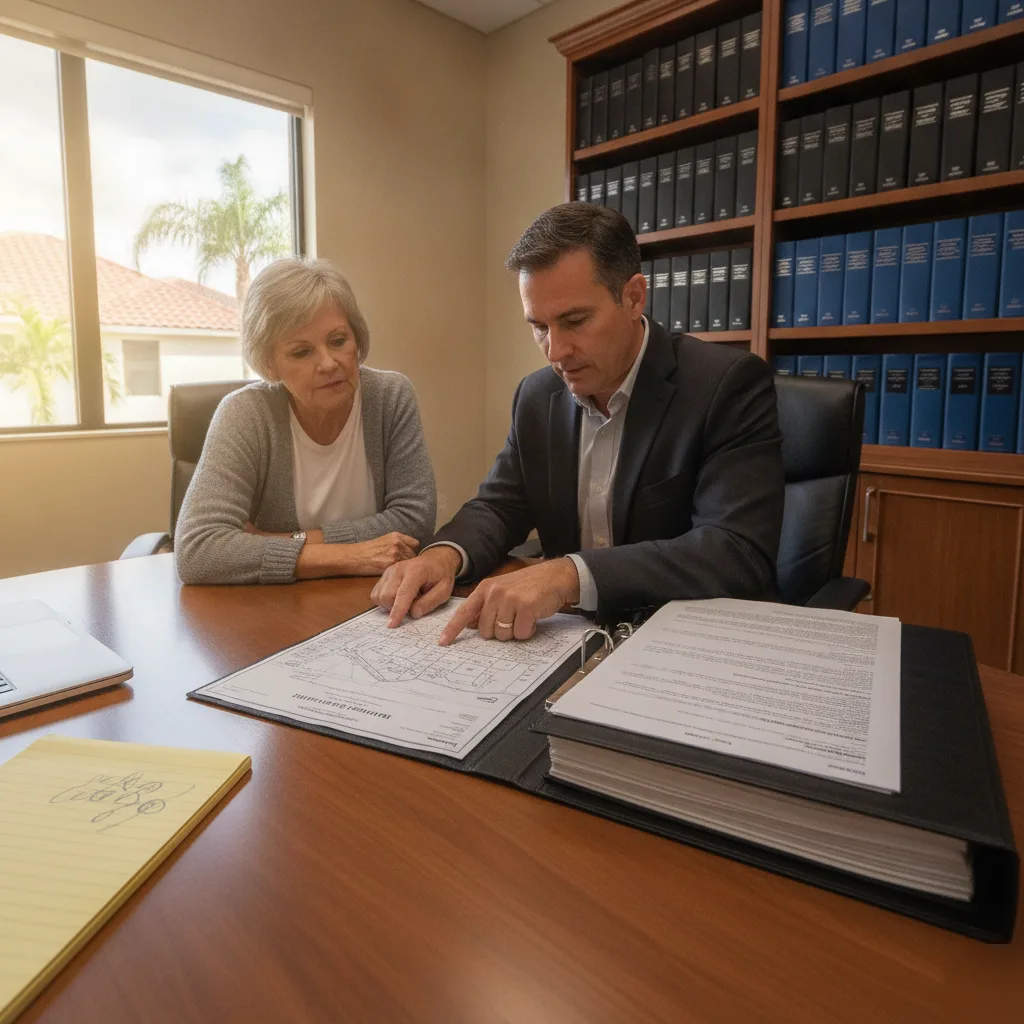
This is where most people get confused. This question is one of the most frequent we hear from Windermere homeowners sitting across the table from us. Once your home is in a living trust, the trust holds legal title. Your name comes off the deed, and the trust’s name goes on. But as the trustee, you still control everything. You still live there. You still make every decision. You still pay the mortgage and the property taxes. Nothing about your daily life changes. The distinction that matters is between two types of ownership:
We see this often. A couple near Keene’s Pointe will call and ask, “Does this mean I no longer own my house?” The answer is no; you absolutely still own it. The trust simply serves as the structure that holds it for your benefit. Imagine putting your car keys in a lockbox that only you have the combination to. The keys are inside the box, but you can open it anytime you want. Nobody else touches it while you are alive and capable. According to the Florida Bar, the person who created a revocable living trust can change or cancel it at any time during their lifetime. So, there is no loss of control here. You are not giving your house away. You are simply wrapping it in a structure that protects your family later. The deed transfer itself is a recorded document. It must be done correctly. A mistake on the legal description or the trust name can create significant problems down the road. That is why we handle the deed transfer process with great care for every client in Windermere.

This is where many people get confused. You can sign a trust document, have it notarized, and feel like everything is done. However, if you do not record a new deed, your house has not moved into the trust. We encounter this frequently with Windermere homeowners who believed they were covered. The deed is what makes the transfer real, not the trust document itself. So, what does the process look like? It is straightforward when handled correctly, but the details matter more than you might expect for a property worth seven figures.
One incorrect word in the legal description can create a cloud on your title. For lakefront homes near Isleworth or properties in the Butler Bay area, legal descriptions can be long and complex. A single transposed lot number creates a problem your family inherits later. That is why we handle deed transfers with the same level of care we bring to every part of your estate plan. Here is something most people do not consider. Florida does not charge documentary stamp tax on a deed that transfers your home into your own revocable living trust. You are not selling the property; you are simply changing how it is held. But if the deed is drafted incorrectly, you could trigger unnecessary costs or recording delays. If you would like to know whether your current deed already reflects your trust, please give us a call. We can check that for you in minutes. Cameron White personally reviews each deed before it goes to the county. There are no templates or shortcuts. Your Windermere home is likely your most valuable asset, and it deserves that level of attention.
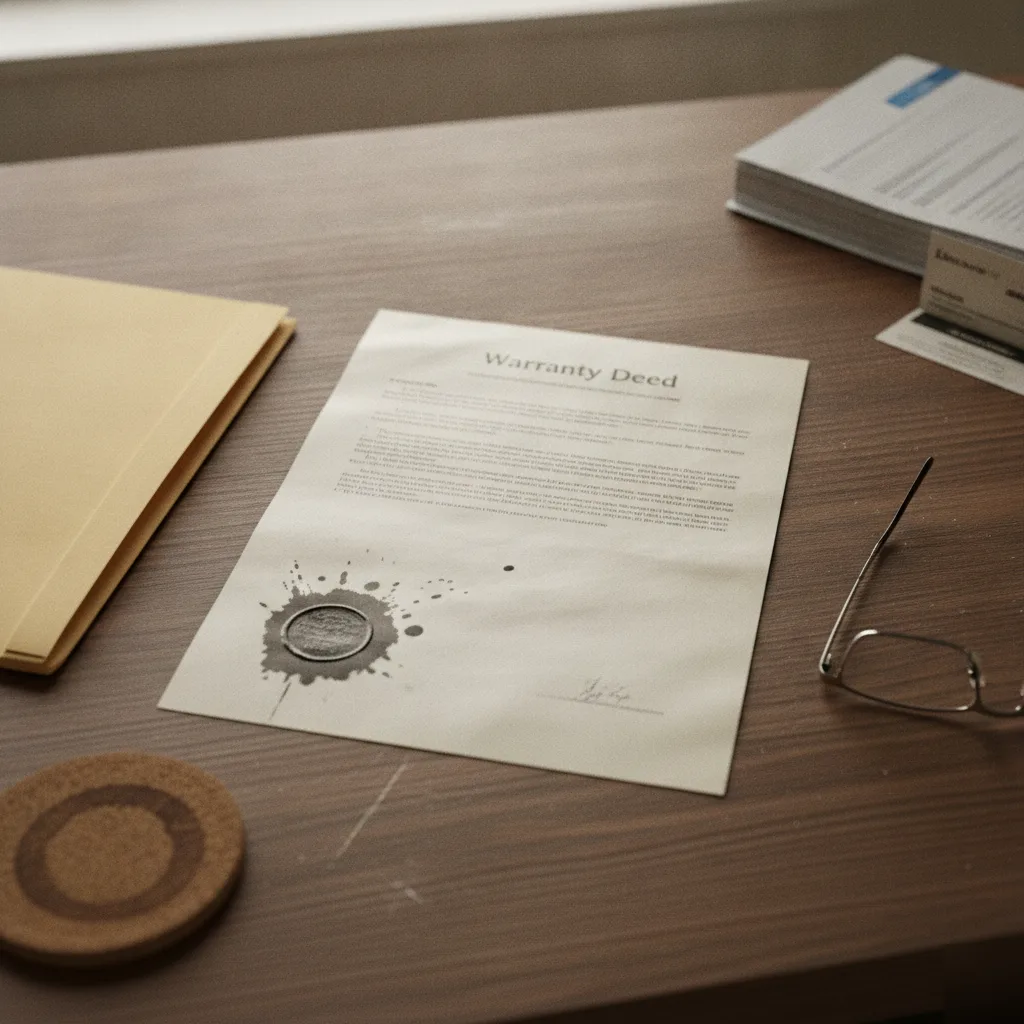
This is one of the most common questions we hear from Windermere homeowners. They ask, “If I put my house in a living trust, do I lose my homestead exemption?” The short answer is no, but the details are significant. Florida’s constitution protects your homestead exemption even after you transfer your home into a revocable living trust. You still live there and control the trust. The property appraiser’s office still recognizes you as the beneficial owner. Your Save Our Homes cap remains intact, your tax benefits do not change, and your creditor protections stay in place. That is the law. However, sometimes things go wrong. We see this regularly with clients near Keene’s Point and along the Butler Chain of Lakes. Someone funds their trust years ago, then refinances or has a new deed recorded. The new deed does not reference the trust correctly. Sometimes, the homestead exemption paperwork falls through the cracks during the transaction. Nobody notices until a tax bill arrives looking very different.
A few common errors put your exemption at risk:
Any one of these issues can trigger a reassessment. On a lakefront home in Windermere, that could mean tens of thousands of dollars in higher property taxes. Reversing the mistake is not always simple. We review every deed transfer against the trust document and the county records before anything gets filed. According to the Florida Department of Revenue, a property owner must have the exemption properly claimed as of January 1 each year to qualify. Miss that window, and you will wait another full year. So yes, your homestead exemption survives the transfer. But only if every piece of paper lines up precisely. That is exactly the kind of detail we catch because we look at your entire financial and legal picture, not just one document.
Here is a common scenario we encounter in Windermere. A family has a carefully drafted revocable living trust sitting in a drawer, but their house is still titled in their personal names. In that case, the trust is doing nothing for them. An unfunded trust represents one of the most common and serious mistakes in estate planning. The trust document itself does not move your property. You must retitle the home into the trust’s name through a proper deed. If you skip that step, your house will go through probate anyway, rendering all that planning useless.
It is usually not due to carelessness. Most people simply do not realize there is a second step after signing the trust. Or perhaps they refinanced their home a few years back, the lender put the title back in their personal name, and no one caught the change. We have seen Windermere homeowners in Keene’s Pointe and along the Butler Chain of Lakes discover this oversight ten years after creating their trust, realizing they had a decade of false security. Some signs your trust might be unfunded:
Secure Your Legacy With Thoughtful Estate and Business Planning
It is not always easy to find the right attorney to handle your legal needs. That is why Pathway Law, P.A. offers the opportunity to speak with us for free about your legal needs.
Call Now! 407-792-6011