When it comes to a last will and testament in Windermere, Florida law leaves little room for error. The state has specific requirements a will must meet — and overlooking even one can invalidate the entire document. We encounter this often. Someone drafts a document at home, signs it, stores it away, and assumes their family is protected. Problems appear later, precisely when family members need clarity the most.
Florida Statute 732.502 outlines these foundational requirements. A valid will must be in writing. It must be signed by the person creating it, or by someone else in their presence and at their direction. It also requires two witnesses to sign — both of whom must have been present at the same time during the signing. This last rule causes problems frequently. If one neighbor signs on Tuesday and another friend signs on Thursday, the will is not legally valid in Windermere or anywhere else in Florida. That seemingly small oversight can render the entire document useless when it’s called upon.
Some states permit handwritten wills without witnesses — Florida is not one of them. Here is what will not hold up in Florida courts:
The Florida Bar states these rules exist to prevent fraud and protect families from disputes. They are not simply red tape — they are guardrails that make sure the true intentions of the person creating the will are respected.
Consider a self-proving affidavit. This notarized statement attached to your will lets it move through probate without the need to track down witnesses later. It is not required for the will’s basic validity, but skipping it can create significant difficulty for your family during probate. Its absence can lead to drawn-out and stressful procedures for your loved ones.
Can you write a will without a lawyer? Yes. But knowing the rules and following them correctly are two different things entirely. For families near Keene’s Point or along the Butler Chain of Lakes with real estate holdings, business interests, or blended family dynamics, one small mistake in execution could unravel everything you intended. The law gives you the freedom to try it alone. It does not protect you if you get it wrong.
We see this heartbreaking scenario often. A family comes in after losing a parent, holding a will printed from an online template. It looks official and carries signatures — but it misses a detail that makes it unenforceable under Florida law.
This is the real danger: not that the document is missing, but that it fails to work when your family needs it most. A document that appears to offer protection but ultimately falls short can be as damaging as having no plan at all.
Florida has specific rules for signing and witnessing a will. Two witnesses must be physically present. A notary should provide a self-proving affidavit. Missing one of those steps can lead to the entire will being challenged in probate court. For families in Windermere with lakefront homes, business interests, and real estate held in trusts or LLCs, a flawed will doesn’t just create confusion — it often creates expensive and emotionally draining legal battles.
Here are the most common problems we find in wills from Windermere families who used generic templates:
A template cannot ask follow-up questions about your specific life situation. It cannot spot the conflict between your will and the deed on your home near Keene’s Point. It simply fills in blanks.
Nearly 55% of American adults lack any estate plan, according to the American Bar Association. Many who do have documents that will not hold up to legal scrutiny. A will that fails in probate is barely better than no will at all — it just costs your family more time, emotional strain, and money to sort out the consequences.
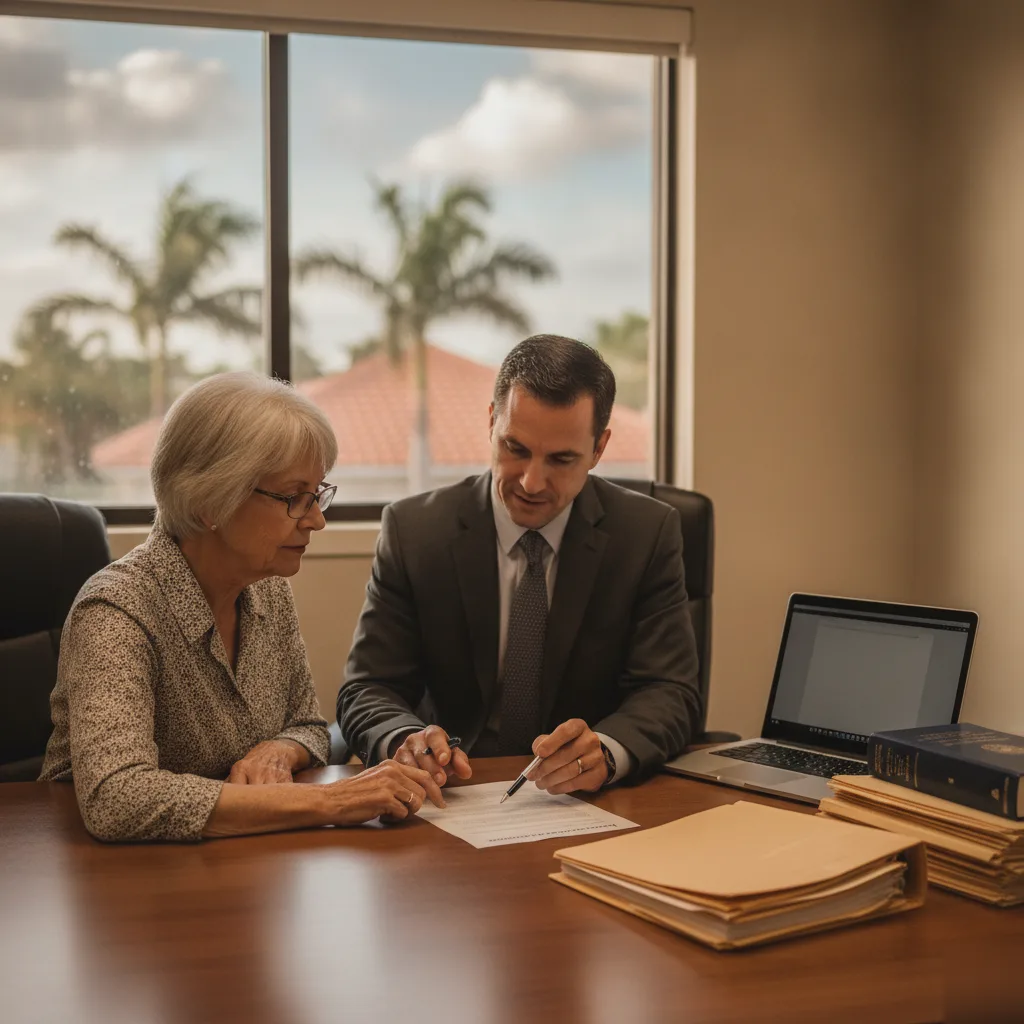
We often hear from people in Windermere: “My situation is pretty straightforward.” Then we sit down, and it turns out they own a lakefront home, a rental property near Keene’s Point, an LLC for their business, three retirement accounts, and a life insurance policy with beneficiary designations from 2009. That is not simple.
A will drafted on your own might handle the basics — naming who gets specific items and who looks after minor children. But when your estate includes any of the following, a do-it-yourself approach starts to crack:
We see this every week. Someone fills out an online will template and names their daughter as the beneficiary of everything. But their 401(k) still lists an ex-spouse as the primary beneficiary. Their deed doesn’t match their trust. The will says one thing, the account paperwork says another. Florida law decides who wins that conflict — not you, and not your stated wishes in the will.
A will alone does not control assets that pass by beneficiary designation or joint ownership. This means if you have accounts with named beneficiaries, your will might not do what you think it does.
And if you own a business? Your estate and your business are not separate problems. They are one connected plan. A will template will not adequately address business succession or protect your partners. It will not coordinate with an operating agreement or a buy-sell arrangement.
Cameron White’s background in both business and law means he spots these conflicts before they become problems for your family. Most people don’t realize how many moving parts they have until someone lays it all out on the table. That is what we do — look at everything, because everything is connected.
Many people delay writing a will because they don’t know what the meeting looks like. Nobody wants to walk into an office feeling unprepared or intimidated. Here is what to expect.
Your first meeting with our team in Windermere is a conversation, not a deposition. Cameron White starts by listening. He wants to understand your family, your assets, and your concerns — not just the numbers on a balance sheet, but the people behind them and the legacy you want to create.
Clients often say the meeting feels lighter and more collaborative than they expected. Someone walks in tense, arms crossed, bracing for something uncomfortable. Thirty minutes later they’re relaxed, asking thoughtful questions, and genuinely engaged in planning. That shift happens because we talk with you — we don’t lecture.
You don’t need to bring a stack of documents to your first consultation. A rough idea of your assets is enough to get started. We’ll tell you exactly what we need before the next meeting so you’re never scrambling.
You will not leave confused. Every recommendation gets explained until it makes sense. Your business and your estate are not separate problems. They are one connected plan, and we treat them that way from the very first conversation.
Secure Your Legacy With Thoughtful Estate and Business Planning
A will not signed correctly is just a piece of paper, regardless of how thoughtfully it was written. We see this often. Someone takes the time to plan everything, puts careful thought into who gets what, then stumbles at the finish line because the signing was not done correctly.
Florida law is specific. You need two witnesses present at the time you sign. Both witnesses must also sign in front of you and in front of each other. Missing one of those steps means the whole document can be challenged in probate court. Challenged wills cost families tens of thousands of dollars to sort out — creating unnecessary financial and emotional burdens during an already difficult time.
Here is how we handle it at our Windermere office:
The self-proving affidavit matters. Without it, your witnesses may need to testify in court after you pass — which can be difficult to arrange, especially years later. With it, the court accepts the will without tracking anyone down. One extra step now saves your family a significant headache later.
Can you sign a will at your kitchen table near Keene’s Pointe with two neighbors watching? Legally, yes. But something often goes wrong when no attorney guides the process. A witness might sign on the wrong line. The notary step might be skipped entirely. The witnesses might not watch each other sign, simply assuming it’s fine — unaware of the legal consequences of that omission.
The Florida Bar notes that improperly executed wills are one of the most common reasons estates end up in contested probate proceedings. That is a problem we help Windermere families avoid every week.

You don’t have to hire a lawyer, but it helps if your situation isn’t simple. Florida law requires very specific steps for a will to hold up — like having two witnesses sign at the same time. Many Windermere families own lakefront homes, rental properties, or business interests that make a basic template risky. A lawyer catches problems a form cannot, like conflicts between your will and your home’s deed near Keene’s Point. When a will fails these steps, your estate can be treated as if you left nothing behind — here’s what happens if you die without a will in Windermere.
Bring a list of your assets, including your home, retirement accounts, and any business interests. You’ll also want details on existing trusts — especially if you’re weighing whether you need a living trust when you already have a will — life insurance policies, and beneficiary names already on file. If you have real estate near the Butler Chain of Lakes or an LLC for rental property, bring those documents too. This helps your attorney spot conflicts early instead of after you’ve signed a flawed plan.
After signing, your will should be stored somewhere safe, and someone you trust needs to know where to find it. A self-proving affidavit, notarized at signing, saves your family from tracking down witnesses later during probate. Skipping this step won’t invalidate your will, but it can slow things down and add stress for your loved ones when they need answers most. It also helps to know that other documents change the moment you pass — for example, here’s what happens to your power of attorney when you die.
Yes, Florida allows you to write your own will — but the execution rules are strict. Both witnesses must watch you sign in person, at the same time, not on separate days. We see this mistake often with self-written wills. A single missed step, like one witness signing later, can make the whole document unenforceable in probate court. Keep in mind a will also does nothing while you’re alive but unable to manage things — that’s a separate question of whether your power of attorney can withdraw money from your bank account.
Online templates fail because they can’t account for Florida’s specific homestead laws or your personal situation. We often find beneficiary designations that clash with existing trusts, or vague wording that leaves family members arguing over meaning. Templates also miss special needs trust provisions, which can accidentally cut off a disabled family member’s benefits. A template fills in blanks — it doesn’t ask the right questions.
Yes. Homes near Keene’s Point often involve extra layers — like a home held in a living trust, LLCs, or shared ownership — that a simple will can’t handle well. Florida’s homestead rules also limit how you can leave your primary residence, which surprises many owners. A lawyer reviews your deed alongside your will to catch conflicts before they become expensive probate disputes for your family.
It is not always easy to find the right attorney to handle your legal needs. That is why Pathway Law, P.A. offers the opportunity to speak with us for free about your legal needs.
Call Now! 407-792-6011