Estate planning costs vary because no two families have the same assets, goals, or risks. A simple will for a young couple isn’t the same work as a trust plan for a Windermere business owner with lakefront property. The more moving parts in your life, the more time it takes to get your plan right.
Two Windermere neighbors can call the same attorney and get very different quotes. That’s not unfair. It usually means the attorney is listening.
An estate plan isn’t a form you fill out. It’s a set of documents built around your family, your property, and your wishes. So the cost follows the work. And the work follows your life.
We see this every week. One couple in Keene’s Pointe owns their home and two retirement accounts. That’s about it. Another couple owns a lakefront house on the Butler Chain of Lakes. They also have a rental condo and a medical practice. Both families need a plan. But they don’t need the same plan.
A few things tend to drive the cost more than anything else. Here’s what an effective estate planning attorney looks at first:
None of these are bad things. They’re just details. And details take time to handle well.
That last item matters more than most people think. For many of our clients, the business and the estate are one connected plan. Say your LLC paperwork says one thing and your trust says another. Your family gets stuck sorting out the mess. Cameron’s background in business helps him spot those gaps early.
Most people don’t realize an old deed or beneficiary form clashes with their will until someone has to fix it.
Then there’s the stuff people forget to mention, like the old timeshare or the family cabin in North Carolina –

Billing style plays a role too. Many estate planning attorneys charge a flat fee for a set group of documents. Others bill by the hour when the work is hard to predict. Cleaning up a plan with lots of loose ends is a good example. Ask how your attorney bills before you start. A good one won’t mind the question.
So is a higher quote a red flag? Not usually. A higher quote often means the attorney asked better questions. A simple plan isn’t a lesser plan, it’s just a smaller one. The real risk is paying for a plan that misses something important.
We’d rather spend an extra hour on your deeds and accounts now. That beats your kids spending months untangling them later. You should leave our office with a plan you understand.
Call a few estate planning attorneys and you’ll notice something fast. Some quote a flat fee. Others bill by the hour. And that one difference shapes your whole experience, not just the final invoice.
A flat fee is one set price for a clearly defined job. You and the estate planning attorney agree on the scope before any work starts. Maybe that’s a will, a revocable trust, and the deeds to move your home into it. You know what’s included. You know what it costs. There’s no clock running in the background.
Hourly billing works differently. The estate planning attorney tracks time in small increments and bills for each phone call, email, and draft. That can feel fair on paper. But it’s hard to predict, and the total isn’t clear until the work is done.
So which one is better? It depends on the kind of work you need.
Flat fee vs. hourly comes down to how predictable the job is. Building an estate plan follows a known path, the steps rarely change much from family to family. That’s why many firms use flat fees for planning work. Hourly billing tends to show up in matters nobody can map in advance. Think contested probate proceedings or a messy estate administration with unknown assets.
We see the hidden cost of hourly billing all the time. It isn’t always the bill. It’s the questions people stop asking.
Small question. Big consequence.

If you own a business, you already get this. You’d never sign a vendor contract with no clear scope. Your estate plan deserves the same clarity. Before you hire anyone, ask how they bill and what’s covered.
Clear answers to these tell you a lot. They show how the firm treats people, not just paperwork. Vague answers are worth noticing too.
Most of our Windermere clients tell us the same thing. They want to pick up the phone without doing math first. That freedom matters more than people expect. It’s how small issues get fixed before they turn into problems your family inherits.
Secure Your Legacy With Thoughtful Estate and Business Planning
Not every estate plan is the same size. So the fee won’t be the same either. Most estate planning attorneys sort their work into three broad tiers. Where you land depends on what you own and who you’re trying to protect.
The type of plan drives the cost more than anything else.
Basic Estate Planning is the simplest tier. It usually covers a will, a durable power of attorney, and a health care surrogate. It fits a couple with a modest home, retirement accounts, and no business. Fewer documents. Less drafting time. That’s why it sits at the low end of most fee ranges.
But simple in Windermere isn’t always simple. A lakefront home on the Butler Chain can push a family past basic planning fast. Florida probate can be slow and public, a will alone still has to go through it.
A Comprehensive Estate Plan adds more moving parts. It’s built for families with more assets or more complex goals. Here’s what usually bumps a plan into this tier:
Each item adds attorney time. And the drafting isn’t really the hard part. The hard part is making every piece line up. We see this all the time. A client brings in a solid trust from years ago, but the house was never retitled into it. The trust can’t control what it doesn’t own –
Then there’s the trust-heavy tier. Think Special Needs Trusts, asset protection planning, or a Business Succession Plan. These cost more because the stakes are higher and the rules are tighter. A Special Needs Trust has to be drafted with real care. It’s what lets a loved one keep their government benefits. One wrong clause can undo that.
So which tier are you in?, most people guess wrong in both directions. Some pay for a big plan they don’t need. Others buy a basic will and leave their biggest assets exposed. Neither feels good once you find out.
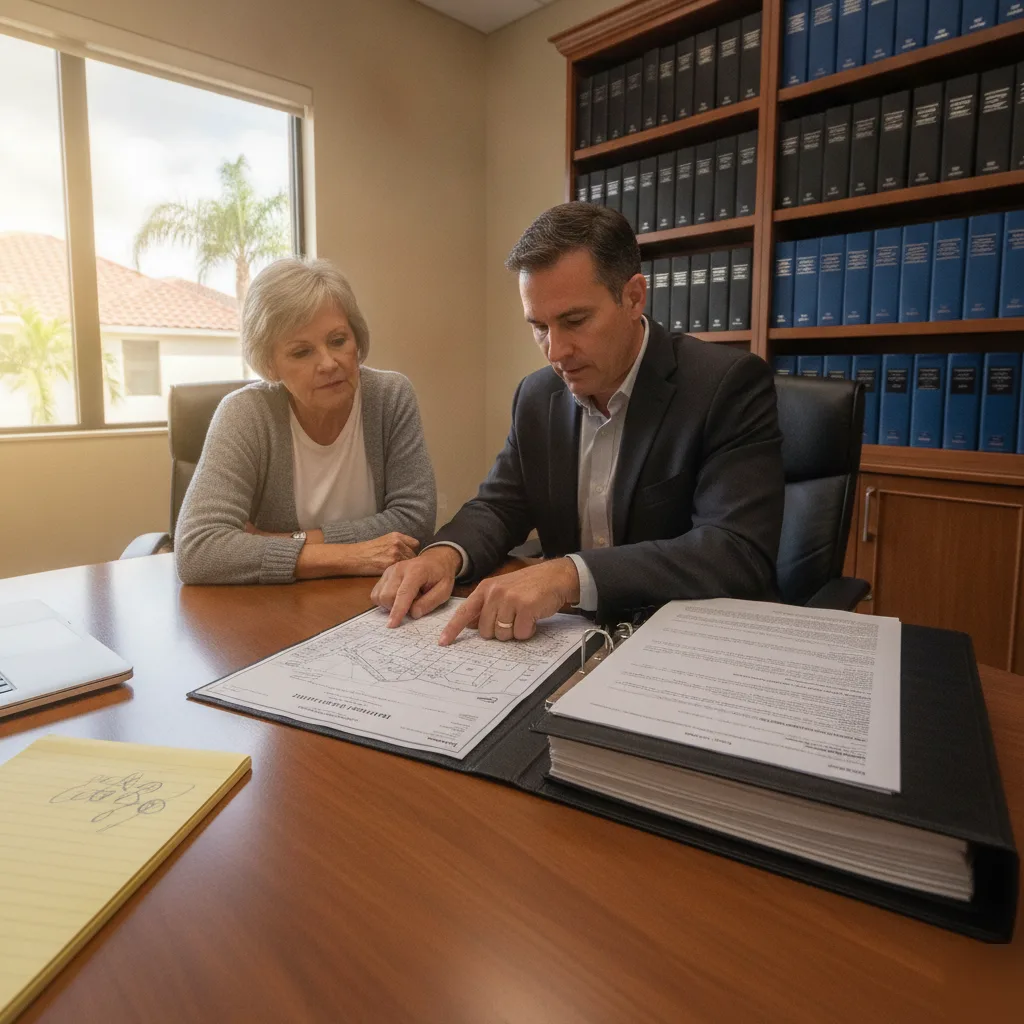
In our experience, the right first question isn’t “what’s cheapest?” It’s “what does my family need?” Once you answer that, the fee starts to make sense. And you’ll know exactly what you’re paying for.
An estate planning attorney is best for wills, not a general practice lawyer. Estate planning attorneys focus on trusts, wills, and probate rules in Florida. They know how local property laws, like those affecting lakefront homes in Windermere, can change your plan. A general lawyer might miss details that matter for your family. Choosing someone who works in estate planning every day helps you avoid costly gaps later.
The estate planning process usually starts with listing your assets, then setting goals for your family and property. From there, your attorney drafts documents like a will or trust, reviews beneficiary forms, and checks deeds for conflicts. Next comes signing everything correctly, then funding the trust if you have one. Finally, you review the plan every few years. Each step builds on the last, so skipping one can cause problems down the road.
A trust is often worth it if you own property in more than one state or want to avoid probate. A simple will works fine for smaller, straightforward estates. Windermere families with lakefront homes or rental property often benefit more from a trust because it keeps things private and avoids court delays. Your attorney can walk you through which option fits your situation during a plan review.
Owning lakefront property on the Butler Chain of Lakes can add extra steps to your estate plan. These homes often carry higher value and sometimes shared dock or easement agreements that need review. If you also own property in another state, like a mountain cabin, each piece may need separate handling. An attorney familiar with Windermere properties can spot these details early and build them into your plan correctly.
A common mistake is assuming online forms cover everything your family needs. These templates often miss state-specific rules or conflicts between your will and old beneficiary forms. For example, an outdated deed can clash with a new trust without anyone noticing until it’s too late. A short review with an estate planning attorney can catch these gaps before they become real problems for your family.
Your estate plan likely needs an update if your family, property, or finances have changed since it was signed. Marriage, a new grandchild, or buying a second home are common triggers. Many Windermere clients also discover old plans that don’t match their current business or investment accounts. Reviewing your documents every few years helps catch these mismatches early. You can learn more about how these reviews work on our estate planning services page.
It is not always easy to find the right attorney to handle your legal needs. That is why Pathway Law, P.A. offers the opportunity to speak with us for free about your legal needs.
Call Now! 407-792-6011