An estate planning attorney is usually called just that, or an estate planning lawyer, and both titles mean the same thing. You’ll also see labels like wills and trusts lawyer, probate attorney, or trust lawyer, and many attorneys cover more than one. The title matters less than whether the attorney looks at your whole picture.
Here’s the plain answer. Most people say estate planning attorney or estate planning lawyer. In Florida, the words attorney and lawyer are used the same way. You can’t pick the wrong word, both get you to the same office.
But you’ve probably seen other titles too. That’s where the confusion starts.
Search for help in Windermere and you’ll find a mix of labels on firm websites. Each one hints at where the attorney spends most of their time. These are the titles our clients ask about most:
Lots of attorneys wear several of these hats. Ours does. The firm that drafts your revocable trust today can later help your kids with trust administration or probate. That kind of continuity is a real comfort for families.
Then there are the letters after a name. Esq. is short for Esquire. It’s a courtesy title, not a special license. It simply tells you the person is a licensed attorney.
One Florida title does carry extra weight. The Florida Bar offers board certification in Wills, Trusts and Estates. Lawyers who earn it pass an exam and show years of focused practice. It’s a helpful marker, but it’s not the only thing worth checking.
So does the title really matter? Less than most people think.
A title tells you what someone does, not what they’ll catch.
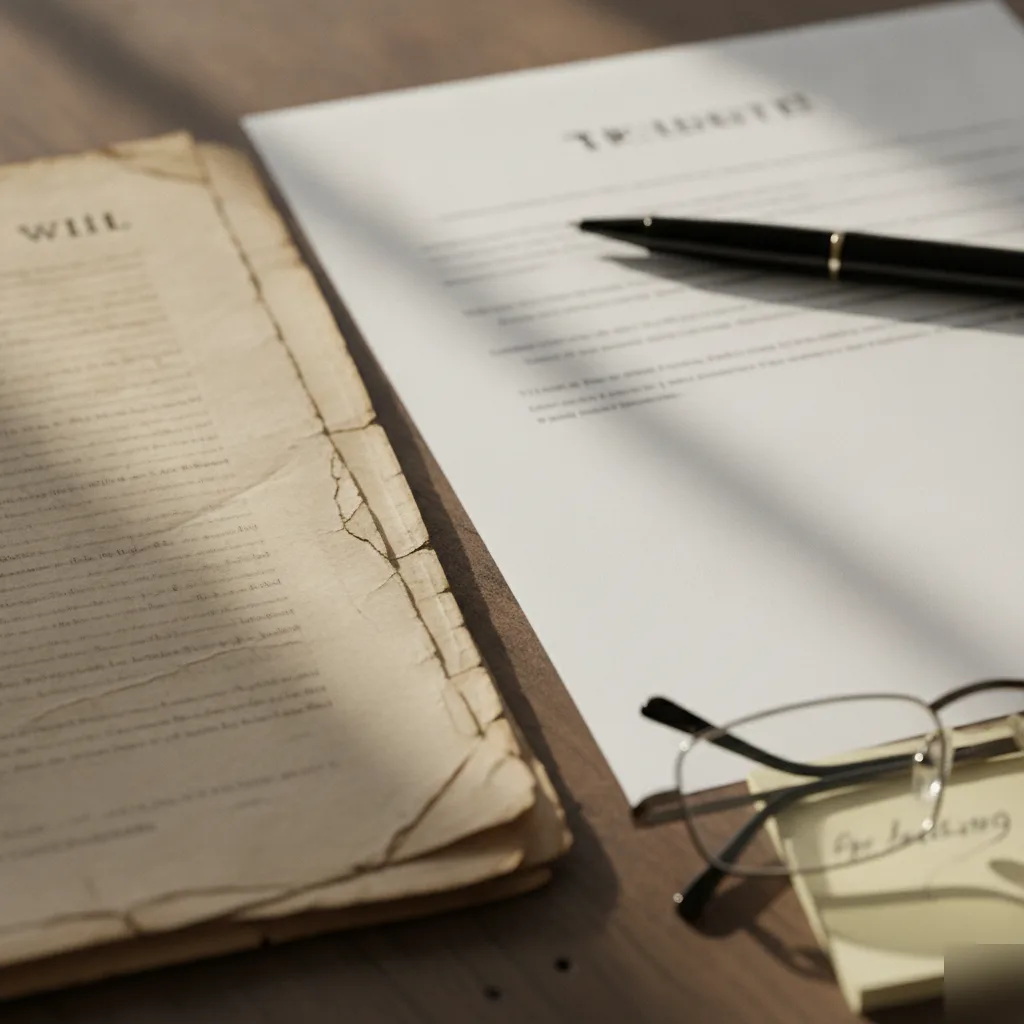
If you own a business, look for an estate planning lawyer who also handles business succession plans. Your business and your estate aren’t two separate problems. They’re one connected plan. The same goes for real estate. Deeds, trusts, and beneficiary forms all need to point in the same direction.
Our advice is simple. Use whatever title gets you searching. Then ask how the attorney reviews your full picture. That answer tells you far more than any word on the door.
Here’s something that surprises a lot of families. The estate planning attorney and the probate attorney are often the same person.
The two titles describe timing. They don’t describe two different kinds of lawyers. An estate planning attorney works with you while you’re alive. You build the plan together, and you get to make the choices. A probate attorney steps in after someone passes away. They help the family carry out that plan in court. Or they sort things out when no plan exists at all.
Estate planning vs. probate, in plain terms. Estate planning is the before. It covers wills, revocable trusts, deeds, and who’s in charge if you can’t be. Probate is the after. It’s the court process that moves assets out of a person’s name and into the hands of the people meant to have them. Planning tries to prevent the mess, probate cleans up whatever’s left.
So why do people mix them up? Mostly because the lines really do blur. A few reasons it gets confusing:
None of that means you’ve done anything wrong by being confused. It’s a naming problem, not a you problem.
Here’s a pattern we notice often. A family calls us about probate after a parent passes. Partway through the conversation, someone asks if we also handle wills. We do, and that overlap is good news for them.
That’s why probate experience makes someone a better estate planning attorney. They’ve seen exactly where plans break. The deed that didn’t match the trust. The beneficiary form nobody updated after a divorce. The business interest that got stuck because the LLC paperwork said one thing and the will said another.

For business owners, the stakes climb fast. Your company can’t pause while a court works through an estate. Payroll still runs. Clients still call. Your business and your estate aren’t two separate problems. They’re one connected plan, and the attorney building it should understand both sides.
So the better question isn’t which title your attorney uses.
It’s whether they look at your whole picture. Most attorneys review the document in front of them. We review everything around it too. But you don’t need to have it all figured out before you reach out. That’s our job.
Secure Your Legacy With Thoughtful Estate and Business Planning
Here’s the simple version. An estate planning attorney helps you decide who gets what, who’s in charge, and what happens if you can’t speak for yourself. Then they put it all in writing so Florida courts will honor it.
But the title doesn’t tell you much about the actual work. Most people picture a will signing and a handshake. The real job is bigger than that. Much of it happens before a single document gets drafted.
So what does that work look like? In a typical engagement, an estate planning attorney handles tasks like these:
That last item surprises people. The same estate planning attorney who builds your plan can help carry it out later.
The documents are the easy part.
The hard part is spotting conflicts between them. It’s common for a client to have a trust drafted years ago but never retitled the house into it. On paper, the plan looks finished. In reality, that home could still land in probate court in Orange County.
Picture a couple with a home on Lake Butler. He owns a medical practice. His trust says the kids split everything equally. But his old 401(k) still names his sister as beneficiary from twenty years ago. Which one wins? In most cases, the beneficiary form does. Nobody meant for that to happen, it just did.
And if you own a business, the estate planning attorney’s role gets wider. Your company and your estate aren’t two separate problems. They’re one connected plan. Who runs things if you’re out for six months? Who buys your share if you pass away? Those answers belong in your estate plan. Then there’s the operating agreement most owners haven’t read since the day they signed it.
You’ll leave knowing what you have and what’s missing. There’s no pressure to decide that day. Most clients tell us they wish they’d come in sooner, mostly because the conversation felt easier than they expected.
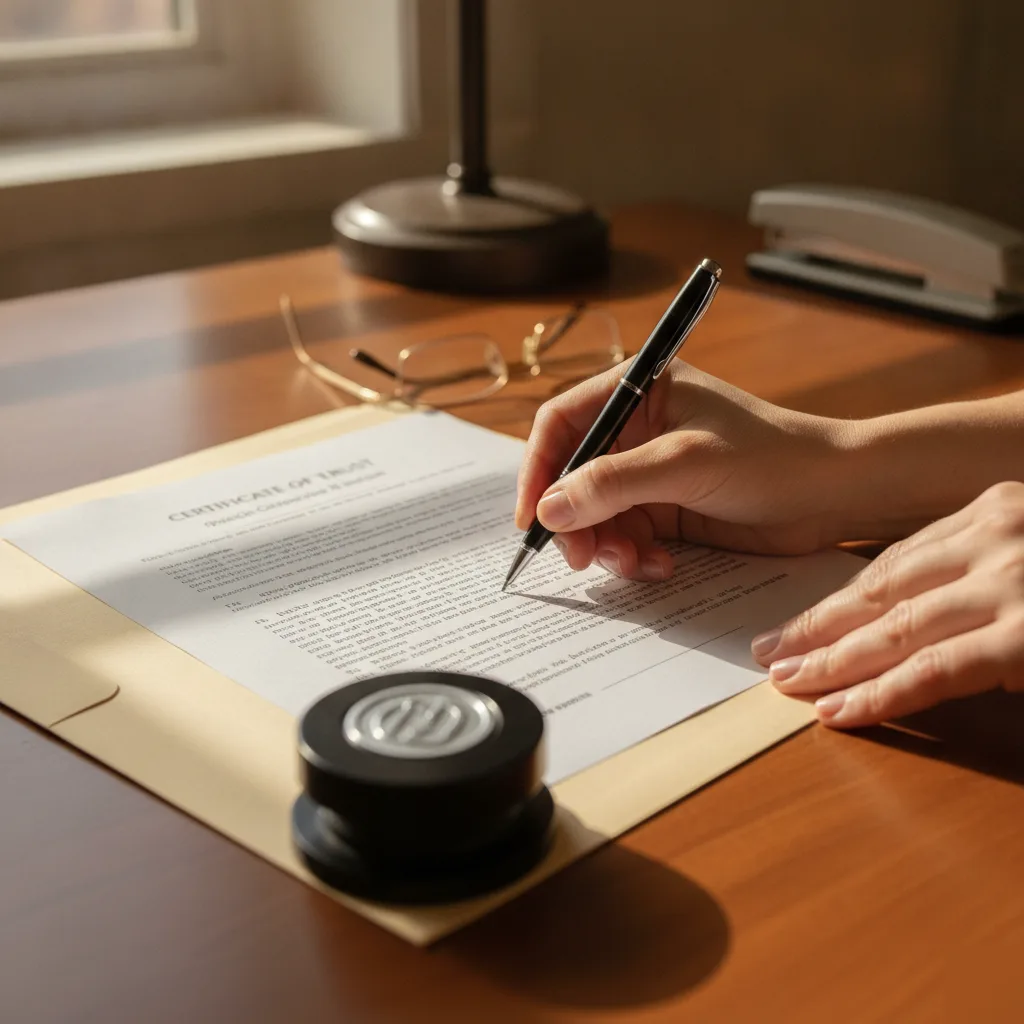
That’s really the heart of it. A good estate planning attorney doesn’t just review the paper in front of them. They look at your whole picture, because everything is connected.
Most people in Windermere just say estate planning attorney or estate planning lawyer, and both mean the same thing. You may also see wills and trusts lawyer, probate attorney, or trust administration lawyer. Many attorneys handle all of these areas at once. The title tells you where they spend their time, not how well they'll handle your full situation. What matters more is whether they look at your whole picture, including your home, business, and family.
POA stands for power of attorney. It's a document that names someone to make financial or health decisions for you if you can't make them yourself. Durable power of attorney stays in effect even if you become incapacitated. Many Windermere families add this alongside a will or trust. It's one piece of a connected plan, which is why it helps to work with someone who reviews everything together, not just one document at a time.
Estate planning is sometimes called legacy planning or future planning, though those terms are less common. You might also hear it described as wills and trusts work, since that's the core of most plans. Whatever name you use, the goal stays the same: deciding who gets your property, who makes decisions for you, and how your family avoids extra stress later. The right starting point is understanding what role handles this work for you.
An estate planning attorney helps you build your plan while you're alive, including wills, trusts, and powers of attorney. A probate attorney steps in after someone passes away to guide the family through Florida's court process. Often, it's the same person wearing both hats. That overlap is a good thing, since an attorney who has handled probate knows exactly where plans tend to break down, like deeds that don't match a trust.
A plan works when every document lines up, including your will, trust, deeds, and beneficiary forms. A common mistake is having a will but a home deed or LLC paperwork that points a different direction. This happened to a Windermere couple with a lakefront home on the Butler Chain, where gaps between their documents caused real problems later. The way to check is to have an estate planning attorney review your full picture, not just one form.
Yes, lakefront property in Windermere often needs extra attention in your estate plan. Deed wording has to match your trust, or your family could face delays or even probate court after you pass. We've seen Windermere families run into this exact problem when a house was titled only in one spouse's name. Matching your deed, trust, and beneficiary forms up front saves your family time and stress later.
It is not always easy to find the right attorney to handle your legal needs. That is why Pathway Law, P.A. offers the opportunity to speak with us for free about your legal needs.
Call Now! 407-792-6011