The estate planning process is a series of connected decisions about your assets, your health, and your family. It’s not one document you sign and forget. Each step builds on the last, so a gap in one place can undo the work you did everywhere else.
Most people think estate planning means writing a will. That’s part of it. But a will is just one piece of a much bigger picture. This guide, The 7 Key Steps in the Estate Planning Process (2026 Guide), walks you through every piece in order. First, it helps to know what the process really is.
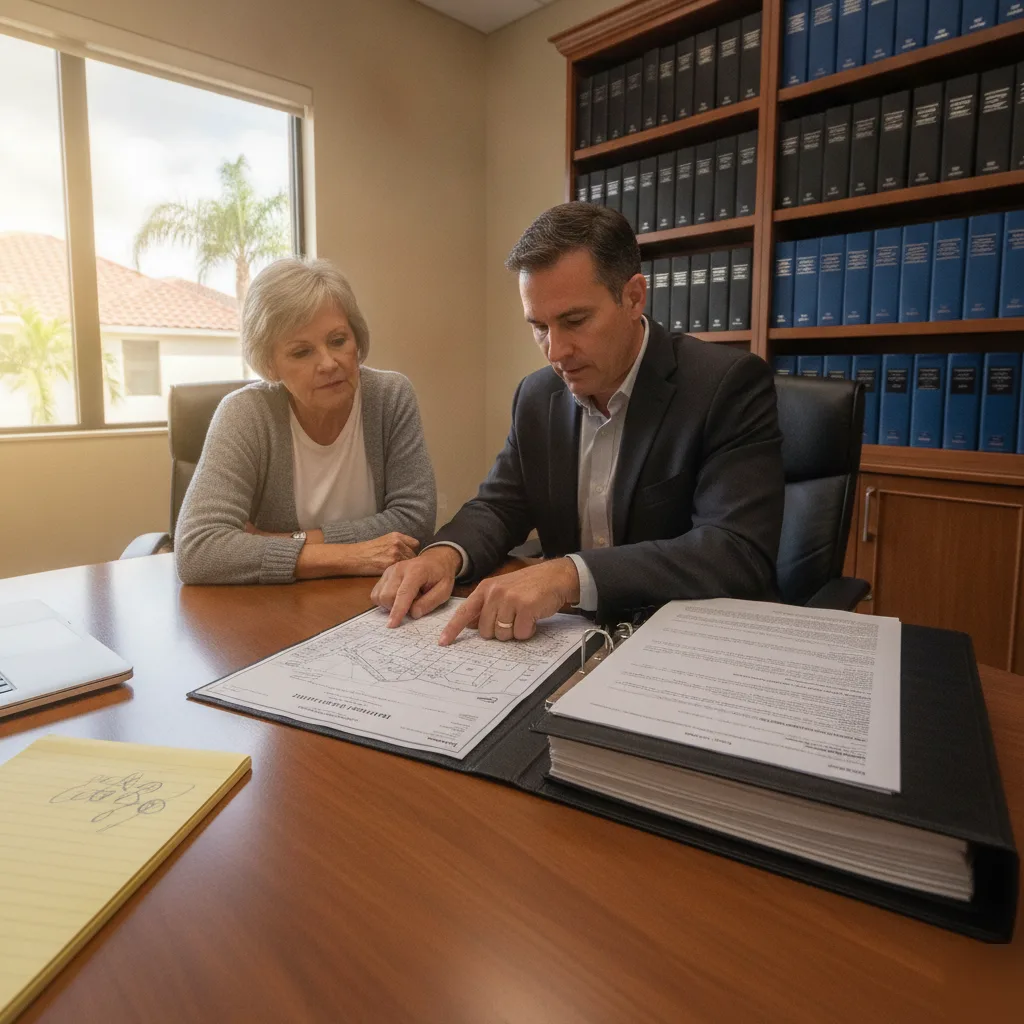
A good plan usually touches several areas of your life at once. Here’s what it often covers:
Notice how those items overlap. Your deed affects your trust. Your trust affects your business. Your beneficiary forms can override your will entirely, and most people don’t know that until it’s too late.
We see this all the time.
Here’s a real pattern from our Windermere office. A couple came in with a lakefront home on the Butler Chain of Lakes. They had a trust signed years ago. They felt covered. But the home was never deeded into the trust, so it would still go through probate. And the husband’s medical practice wasn’t mentioned anywhere in the plan. Two big gaps. Neither one showed up until we looked at everything side by side.
That’s why we call it a process. A document can look perfect on its own and still fail. The real question is whether all the pieces work together. Is your deed lined up with your trust? Do your retirement account forms match what your will says? Does your business have a backup plan if you’re not there to run it?
So think of estate planning less like signing a form and more like building a map. Each step points to the next one. Skip a step and the map has a hole in it.
Your plan should also change as your life does. A new grandchild, a sale of your business, or a move from Keene’s Pointe to a smaller home all matter. A plan from 2012 was built for a different version of you. Reviewing it every few years keeps it working the way you meant it to.
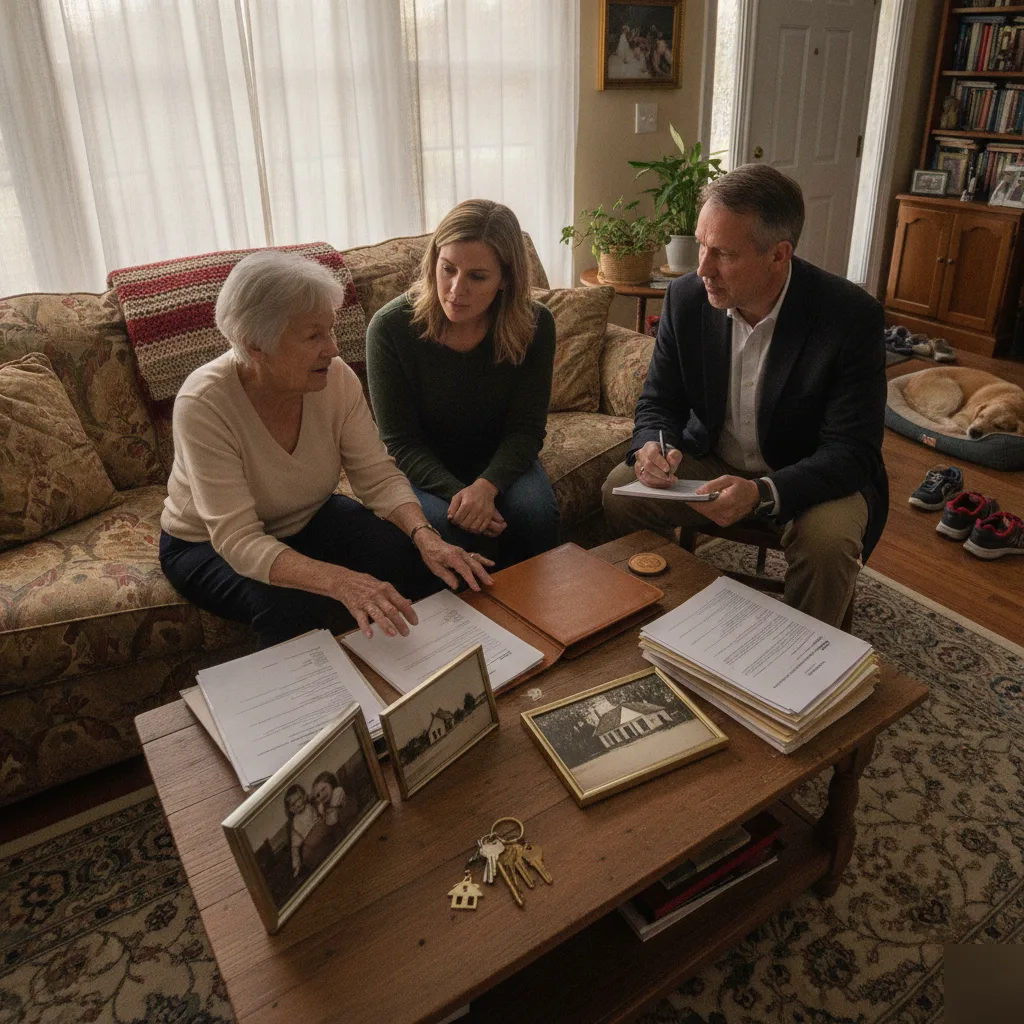
Estate planning feels big until you see it in order. Then it’s just seven steps, one after another. Each step builds on the one before it, so skipping ahead usually causes trouble later.
Here’s how the process works, start to finish.
Steps one through five get most of the attention. But step six is where plans quietly fall apart.
We see this all the time. A Windermere couple signs a beautiful revocable trust, but their lake home on the Butler Chain stays in their own names, so the trust can’t control what it doesn’t own. And when one spouse passes, the family may end up in probate anyway. That’s the exact thing the trust was built to avoid.
So why does this happen so often? Usually the documents get signed and everyone feels done. Nobody follows up on the deed, the brokerage account, the 401(k) beneficiary form, or the LLC that owns the rental.
You get the idea. The details you overlook today become the problems your family inherits tomorrow.
If you own a business, it belongs in step one, not as an afterthought. Your business and your estate aren’t two separate problems. Your operating agreement, your ownership shares and your estate plan should all point the same direction. When they don’t, your family is left sorting out the conflict.
Florida adds its own twists too. Homestead rules can limit who you’re allowed to leave your primary home to if you have a spouse or minor child. That’s one reason step four isn’t a do-it-yourself job for most Windermere homeowners. Gated community homes, lakefront lots, property held in an LLC. Each one changes the right approach.

Put simply, the order matters because each step talks to the next. Your goals pick your tools. Your tools decide how you sign and fund. And your review keeps it all current.
Secure Your Legacy With Thoughtful Estate and Business Planning
Most people guess the hardest part is choosing who’s in charge. That choice feels heavy. But in our experience, it’s not where plans usually break down. The step that stalls families most often is funding the trust.
Funding just means moving your assets into the trust’s name. It sounds simple. You sign your revocable trust, you feel a wave of relief, you head home. Then life picks back up. The deed to your house still lists you and your spouse. The brokerage account never gets retitled.
And here’s the catch. A trust can only control what it owns. If your Windermere home was never deeded to the trust, your family may still face probate for it.
An empty trust is just a very nice binder.
So why does such a key step get skipped so often? Part of it is the paperwork. Each bank and brokerage has its own forms and its own rules. Some people assume their attorney handled it all. Others fund the trust at first but forget to add new assets later. We see this mistake all the time, and it’s almost never anyone’s fault.
When we review older plans, a few assets show up outside the trust again and again. Here’s what we look for first:
That last one surprises people. Retirement accounts usually don’t move into the trust at all. They pass by beneficiary form. If that form is outdated, it can override your plan.
We recently sat down with a couple from Keene’s Pointe. They’d signed a trust in 2014. Four years later they built their current home, and the deed went into their own names. His medical practice LLC was never assigned to the trust either. Nobody did anything wrong. The plan just stopped short of the finish line.
For business owners, this gap is even bigger. Your business and your estate aren’t two separate problems. They’re one connected plan. If your company interest sits outside the trust, your family could lose time and control right when the business needs steady hands.
Pull your latest statement from each account and look at the name on top. Not your name. The trust’s. If you see your own name, that asset may not be funded yet.
That’s why we don’t hand you a stack of documents and wave goodbye. We prepare the new deeds ourselves. We do the assignment of your company interests. Then we walk through each account with you, one by one, until it’s done. There’s the boat, the timeshare, and that old 401(k) from two jobs back.
You get the idea. Everything is connected, so we look at everything.

Estate planning is a series of steps that decide who gets your things, who makes choices for you, and how your family avoids extra court time. It covers your home, accounts, business, and health decisions all at once. Each step builds on the last one. If you skip a step, the rest of the plan can fall apart. Our guide on the 7 key steps in the estate planning process walks through each part in the right order, so nothing gets missed.
The biggest mistake is signing a trust but never moving your home or accounts into it. This is common with lakefront homes on the Butler Chain of Lakes, where the deed stays in the owner's name and the trust ends up controlling nothing. Another mistake is forgetting beneficiary forms, which can override your will completely. Business owners also leave their company out of the plan. These gaps often go unnoticed until a family is already in probate court.
Yes, property type can change which legal tools you need. Homes in gated communities like Keene's Pointe, lakefront lots, and property held in an LLC each need to be titled correctly to avoid probate. Florida's homestead rules also limit who you can leave your primary home to if you have a spouse or minor child. This is one reason choosing the right legal tools, covered in step four of the process, isn't something most homeowners should handle alone.
Simple situations, like a single person with no property and no business, might manage basic documents alone. But once you own a home, have a business, or want to protect a child with special needs, the steps get harder to do correctly. Florida has strict signing rules, and one missed detail, like an unfunded trust, can send your family to probate anyway. A professional review catches the gaps between your documents before they become real problems.
The 5 by 5 rule lets a trust beneficiary withdraw a limited amount each year, usually the greater of 5,000 dollars or 5 percent of the trust's value, without triggering extra tax issues. It's a tool used inside certain trusts to give beneficiaries some access to funds while keeping the rest protected. This detail is part of choosing the right legal tools, which is one of the seven steps families work through when building a plan that fits their goals.
You should review your estate plan every few years, or sooner after a big life change. Marriage, divorce, a new grandchild, selling a business, or moving to a smaller home are all reasons to take another look. A plan built in 2012 was made for a different version of you and your family. Reviewing it keeps your deed, trust, and beneficiary forms working together the way you originally intended.
It is not always easy to find the right attorney to handle your legal needs. That is why Pathway Law, P.A. offers the opportunity to speak with us for free about your legal needs.
Call Now! 407-792-6011