A trust holds your assets and passes them to the people you choose, without going through probate. It only works for assets you move into it. A revocable trust won’t lower your taxes or shield you from your own creditors on its own.
Most people picture a trust as a magic box. You put your stuff in and every problem goes away. It’s not quite that simple. But it’s still one of the strongest tools your family can have.
Here’s the plain version. A trust is a legal arrangement with three roles. The grantor is the person who creates it. A trustee manages the assets inside it, and beneficiaries receive them. With a revocable trust in Florida, you usually fill all three roles while you’re alive and well.
So what does a trust really do for you? A well-built one handles a lot of the hard parts your family would otherwise face alone.
That’s real value. And for most families we work with, the privacy and incapacity pieces matter just as much as avoiding probate.
But here’s where people get tripped up. A revocable trust doesn’t lower your income taxes. It won’t protect your assets from your own creditors, because you still control everything. It also does nothing for assets that were never moved into it.
We once met a couple from Keene’s Pointe who had signed a trust years earlier. Their lakefront home was still titled in their own names. So was a large brokerage account. If something had happened, those assets would have gone straight to probate, trust or not. Fixing it took a new deed and a few beneficiary updates, the plan finally matched the paperwork.
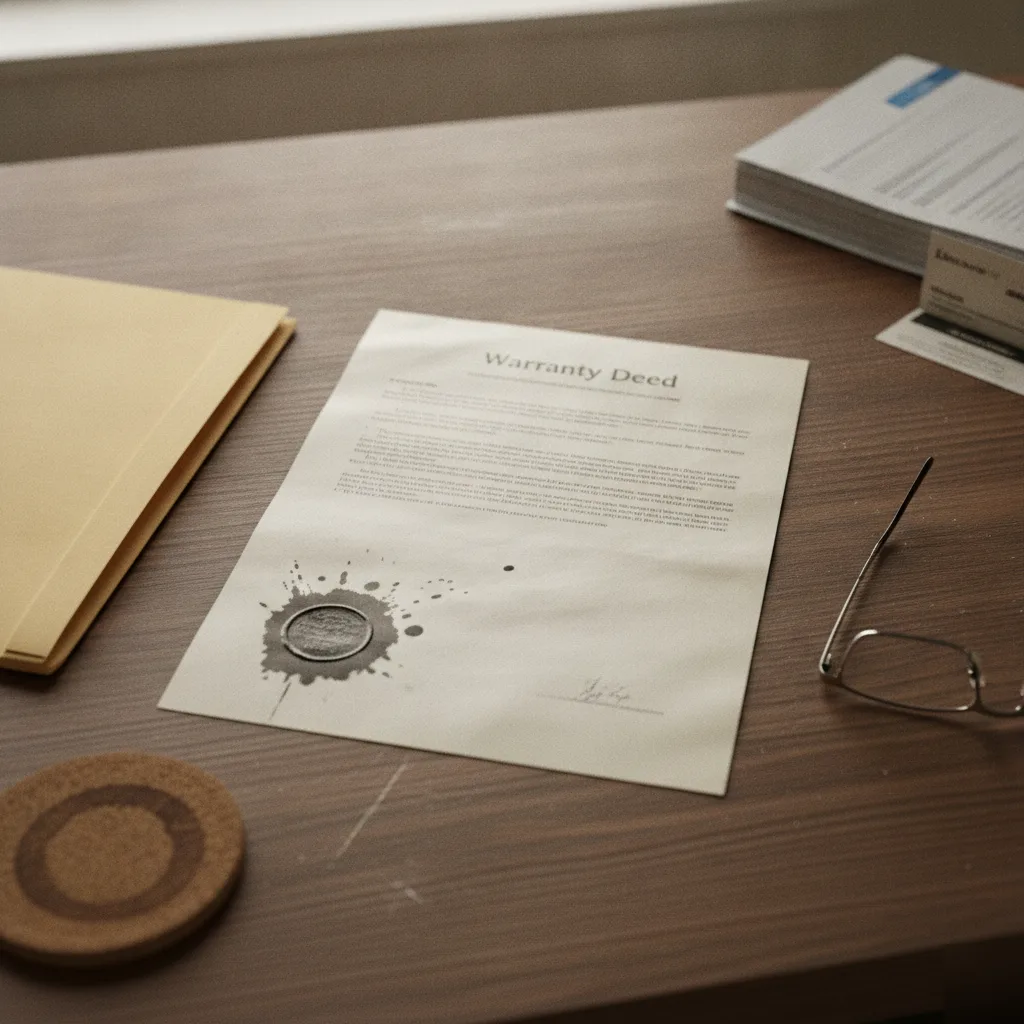
Business owners have one more layer to think about. If you own an LLC or a corporation, your interest may need to be assigned to the trust. Otherwise your company could get stuck in probate right when your team needs a clear leader. Your business and your estate are really one connected plan. Most attorneys look at the trust document alone. We’d rather look at your deeds, your accounts, your operating agreement, the whole picture really –
Windermere homeowners also have Florida’s homestead rules to consider. If you have a spouse or minor child, those rules can limit who you’re allowed to leave your home to. A trust doesn’t override them. It has to be drafted to work with them from the start.
Does that mean a trust isn’t worth it? Not at all. It just means a trust is only as good as the details behind it. Get those details right, and your family gets something rare. Clarity at a hard time.
Most people picture one big signing day. That’s part of it. But creating a trust is really a short series of decisions, and each one builds on the last. Once you see the full path, it stops feeling like a legal maze.
Here’s the order we walk our Windermere clients through, step by step.
Step six is where things fall apart. We see it all the time.
A signed trust with nothing in it is like a safe with the door wide open. The paperwork looks great. But any asset still in your personal name may have to go through probate anyway, the very thing you were trying to avoid.
Fixing it wasn’t hard. It just took someone looking at the whole picture. A new deed moved the home into the trust. An assignment moved the LLC interest. Florida homestead rules matter here, so the deed has to be drafted with care. Get it wrong and you can create a property tax headache –

How much of this lands on you? Less than you’d think. Your main job is the thinking in steps one through three. Gathering account statements and deeds helps too. The drafting, signing and retitling is our job to guide.
Field tip from our office: Bring a list of every account, property and business interest to your first meeting. Include retirement accounts and life insurance. Those usually pass by beneficiary form, not by your trust. We check that those forms line up with your plan so nothing works against it.
And your trust isn’t carved in stone. A revocable trust can be updated as your life shifts. Most families we work with check in every few years or after a big event. It’s an ongoing relationship, not a one-time task.
Secure Your Legacy With Thoughtful Estate and Business Planning
Signing your trust feels like the finish line. It isn’t. A trust only controls what you put inside it. Lawyers call this step “funding.” It just means moving your assets into the trust’s name.
An empty trust can’t protect anything.
We see this all the time. A couple signs their revocable trust, sets the binder on a shelf, and gets back to life. Years later the house is still in their own names. So is the brokerage account. And when one spouse passes, the family ends up in probate court anyway. That’s the exact thing the trust was built to avoid.
So what needs to move? It depends on what you own. For most Windermere families we work with, the list looks something like this:
That last item trips people up. Moving an IRA into a trust’s name can trigger a big tax bill. So it’s handled by naming beneficiaries, not by changing ownership.
Your business and your estate aren’t two separate problems. They’re one plan. Cameron’s background in business is why we ask about your company early, not as an afterthought.

Most attorneys review the document in front of them. We look at your whole picture. That means pulling your deeds and checking how each account is titled. We also read the beneficiary forms most people forgot they ever signed.
Our process is pretty simple. You leave with a funding checklist written in plain English. We handle the deed transfers for your Florida real estate ourselves. And we walk you through the calls to your bank or financial advisor so nothing slips.
Funding also isn’t a one-time chore. Bought a new lot near Lake Butler after you signed? Opened a new brokerage account? Those need to go into the trust too. A quick check-in every few years keeps everything lined up.
You likely need a trust if you want to avoid probate, keep your affairs private, or plan for incapacity. A will alone still goes through probate court, which can take months and becomes public record. A trust also lets a successor trustee step in right away if you become unable to manage things. Many Windermere families use both a will and a trust together for full coverage. Our guide on how to create a trust walks through this decision step by step.
That asset usually ends up in probate anyway, even with a signed trust. This is the most common mistake we see. A trust only protects what’s titled in its name. We once worked with a Keene’s Pointe couple whose lakefront home and brokerage account were still in their personal names years after signing. A new deed and updated titles fixed the gap. Funding your trust fully is just as important as creating it.
Yes, homestead rules can limit who you’re allowed to leave your home to if you have a spouse or minor child. These rules apply across Windermere, including lakefront homes on the Butler Chain. A trust doesn’t cancel out homestead protections. It has to be drafted around them from the start. Getting this wrong can create property tax problems later. This is one reason trust documents need careful review, not just a template signing.
No, a revocable trust does not shield your assets from your own creditors. Since you still control everything inside the trust while you’re alive, courts treat those assets as yours. This surprises a lot of people who expect full protection right away. A trust is still valuable for avoiding probate and planning for incapacity, just not for creditor protection. Understanding this difference early helps set realistic expectations before you start the process.
Yes, you should review your trust after marriage, a new grandchild, a business sale, or any major asset change. Life moves faster than paperwork, and an outdated trust can leave gaps. For example, a business owner who starts a new LLC needs to assign that interest to the trust separately. Skipping this step is how assets end up outside the plan you built. Regular reviews keep your trust matched to your actual life and holdings.
Bring a list of every account, property, and business interest you own, including retirement accounts and life insurance. These often pass through beneficiary forms rather than your trust, so they need to be checked separately. Also think ahead about who you want as trustee and how you want beneficiaries to receive assets. Having this ready speeds up the drafting process. Reviewing the full picture together is how gaps get caught before they become problems.
It is not always easy to find the right attorney to handle your legal needs. That is why Pathway Law, P.A. offers the opportunity to speak with us for free about your legal needs.
Call Now! 407-792-6011