Quick Summary: Estate plans for Windhover households are built around Florida law. A nearby estate planning attorney is useful for a practical reason: your estate will generally be handled by your local county court, and your home is likely subject to Florida’s homestead rules.
In Florida, an estate is generally handled in the county where the person lived. For an Orange County resident, that means the Orange County courts in the Ninth Judicial Circuit. A plan prepared with that local court in mind can help the estate move more smoothly. For many families, the home is also the biggest asset, which brings Florida homestead rules into many estate plans.
Pathway Law, P.A. has its office in Windermere. If you’re starting a plan or updating an old one, call us with your questions about planning for your home.
For many families in the neighborhood, the home may be the largest thing the family owns. A plan that leaves out the house isn’t a full plan. The will and the accounts may be in order, but the most valuable asset can still end up in court or pass in a way you didn’t expect.
Florida’s constitution gives a primary home, called a homestead, special protection. That protection shields the home from most creditors, and Florida also limits who can inherit it.
Here’s how that limit works in plain terms. If a homeowner leaves behind a spouse or a minor child, Florida law restricts how the homestead can be left by will. You can’t always leave the house to whoever you choose. Some people don’t learn this until after a death, when the plan they relied on turns out not to work for the house.
How your deed is written may matter most of all. A home can be titled in one person’s name, jointly with a spouse, or in a trust. That choice can decide whether the home skips probate or gets stuck in it. Two neighbors with similar houses can face very different outcomes based only on the wording of their deeds.
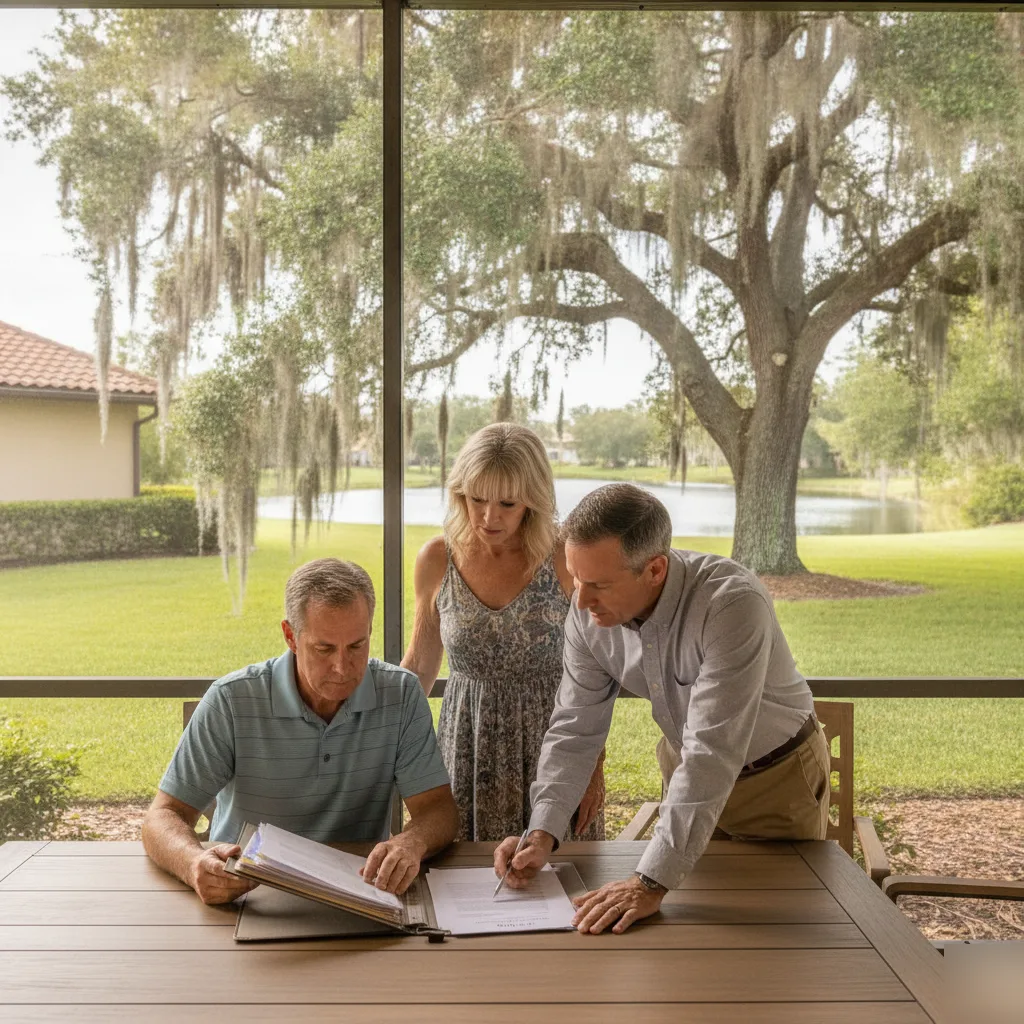
A revocable living trust is a tool many planners use to spare their families a court process after a death.
Probate is a court-supervised process for settling a person’s estate. In Florida, including Orange County, probate can take months, and it’s part of the public record. Your family may have to wait for court steps before the home can be sold or transferred.
A revocable living trust works differently. You move your home and other assets into the trust, yet you stay in control while you’re alive and can change the trust at any time. You also name a successor trustee, the person who takes over managing the trust after your death. When the trust is set up and funded correctly, the successor trustee can manage or pass your home without probate.
Funding is a step where trusts can fall short. A trust only covers the house if a new deed puts the home into the trust. A trust that was never signed, or one that never received the deed, leaves the home exposed to probate.
A pour-over will is a backup. It catches any assets left outside the trust and directs them into it. Assets caught this way may still need probate, which is why funding the trust during your life matters as much as the trust document itself.
You may also wonder about property taxes. A trust can be written so you keep the Florida homestead tax exemption, as long as you keep a beneficial interest, meaning you keep the right to live in and use the home.
When you meet with an estate planning attorney, it can help to bring:

If you aren’t sure whether your trust ever received the deed to your home, call Pathway Law, P.A. with your questions about your deed and your plan.
A deed review shows a homeowner in the area what will actually happen to the home at death. Many owners have never looked closely at how their deed is titled. It was signed at closing years ago and filed away. A deed review as part of an estate plan review typically looks at whose names are on the deed, how those people hold title, and whether the title matches your will or trust.
Florida uses several common title forms. Sole ownership means one person owns the home alone. Tenancy by the entirety is a form for married couples where both spouses own the whole home together. Joint tenancy with right of survivorship lets the home pass to the surviving owner. A home can also be held in a trust.
Florida also offers the enhanced life estate deed, often called a lady bird deed. A lady bird deed can pass a home outside probate while the owner keeps control during life.
Homestead rules can create traps. A deed or will that tries to leave the home away from a surviving spouse or minor child may not hold up under Florida law. The title on paper may look fine and still fail at death.
Life changes call for a fresh look at your title, including:
Secure Your Legacy With Thoughtful Estate and Business Planning
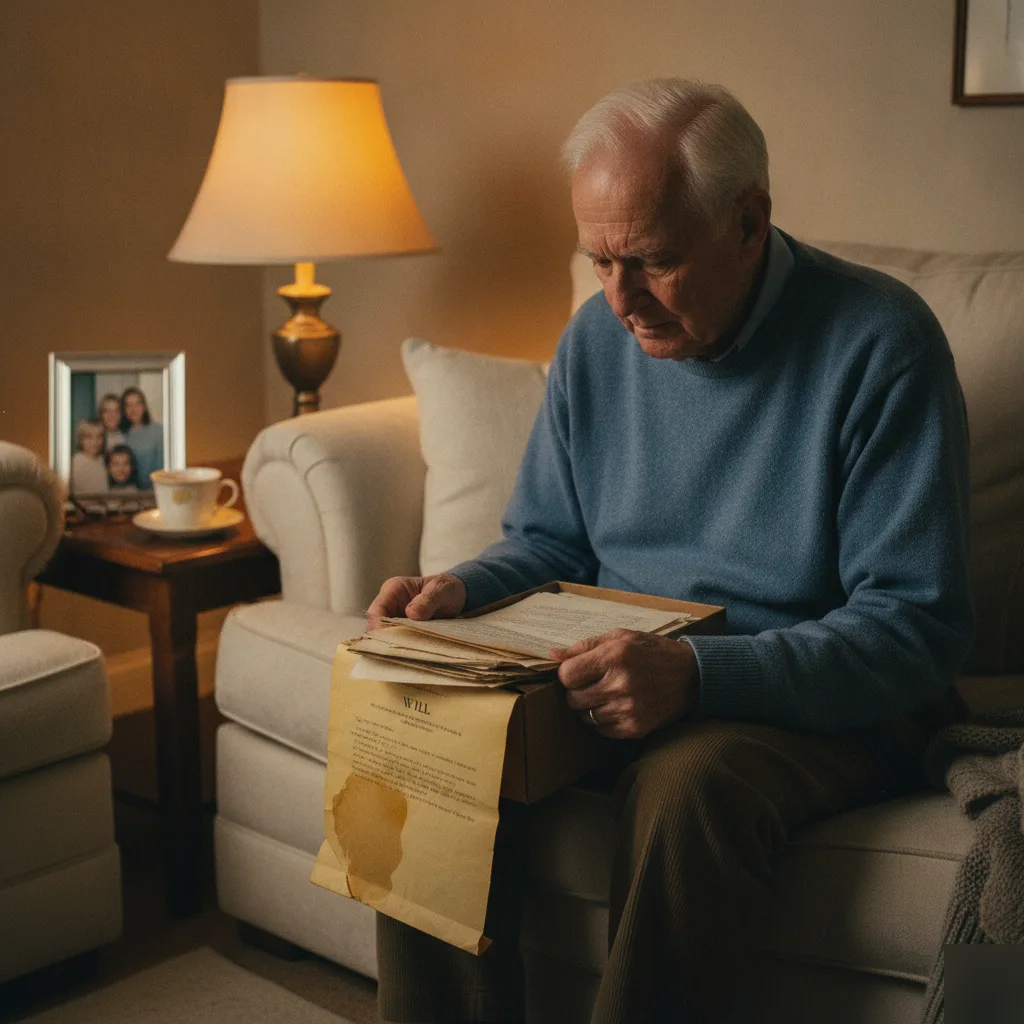
Probate administration for an Orange County resident’s estate takes place in Orange County, within Florida’s Ninth Judicial Circuit. If you’ve just lost someone, you don’t need every answer today. Start by gathering the death certificate, any will, and recent account statements.
One Florida rule needs early attention. The person holding an original will must deposit it with the clerk of court in the county where the person lived (for an Orange County resident, the Orange County Clerk of Court) within 10 days after learning of the death.
Florida has two main paths for settling an estate. Summary administration is a shorter process for smaller estates, or for cases where the death was over two years ago. Formal administration is a fuller process in which the court appoints a personal representative, the person who manages the estate. In formal administration, the court issues letters of administration, the court order that gives the personal representative power to act for the estate, such as handling accounts and property.
The family home often needs its own step: the court deciding whether the home is protected homestead. That decision affects whether creditors can reach the home and who receives it.
Some heirs face a different situation. If your loved one lived in another state but owned a home in the neighborhood, an ancillary probate in the Florida county where the home is located may be needed. Ancillary probate is a second, local probate for Florida property. A probate lawyer familiar with the Ninth Circuit’s procedures can help spot problems like this early and keep the estate moving.
Pathway Law, P.A. is at 9100 Conroy Windermere Road, Windermere 34786.
Our office is in Windermere, so you don’t need to head into downtown Orlando to visit it.
If you’re planning ahead, bring your deed and any existing will or trust. If you’re settling a loved one’s estate, bring the death certificate and any will. Either way, call Pathway Law, P.A. to talk through your next step.
It is not always easy to find the right attorney to handle your legal needs. That is why Pathway Law, P.A. offers the opportunity to speak with us for free about your legal needs.
Call Now! 407-792-6011