Quick Summary: Metrowest, in southwest Orlando near Windermere, is a master-planned community built around MetroWest Golf Club. The community includes condos, townhomes, and single-family homes, some near the golf course, and each of those homes is handled a little differently in an estate plan.
Pathway Law, P.A. is an estate planning attorney office in Windermere. Estate plans commonly involve documents such as wills, revocable living trusts, powers of attorney, and healthcare surrogate forms, and families may also face probate after a death. If you live in the area, our office is on Conroy Windermere Road in Windermere.
The type of home you own shapes the paperwork you need. Getting that match right at the start is easier than fixing a deed after a death.
Call Pathway Law, P.A. to ask about planning for your home in the neighborhood.
The neighborhood’s housing mix includes condominiums, townhomes, and single-family homes, some near the golf course. That mix means one family’s plan can involve more than one property type. A parent may live in a house near MetroWest Golf Club and also own a condo unit a few streets away, and those two homes may not follow the same steps.
Association documents are the first thing to check. Condo and HOA papers may set rules on how a unit is transferred or who must be told when ownership changes. These documents are typically reviewed before a home is moved into a trust. Don’t assume you know what a particular building’s rules say; the papers for your property need to be read.
Retitling is not one-size-fits-all. It means changing the name on the deed, for example from you to your trust. A condo unit, a townhome lot, and a house near MetroWest Golf Club may each need a different deed approach. A condo deed usually conveys a unit plus a share of common areas, while a townhome or single-family deed usually conveys a lot of land. Either way, the legal description has to match what you actually own.
Florida homestead rules add another layer. A primary residence here can carry homestead protection, but homestead law can also limit who may inherit the home. That limit shapes how a will or trust is written, and it can override what you wrote if the plan ignores it.
A will can say exactly what you want, but the deed matters just as much. If the deed or the association steps were handled wrong, your family may still face delays or a court case to fix the gap. An estate lawyer who knows this housing mix can spot those problems early, while you’re still here to fix them, instead of leaving them for your children.

A revocable living trust is a legal document that holds your home now and passes it on later, often without probate. You stay in control while you’re alive, and you can change the trust or cancel it. When you die, the person you named as successor trustee hands the property to your heirs under the trust’s terms.
The trust only works for property it actually holds. Putting property into the trust is called funding, and skipping that step is a common reason trusts fail to avoid probate. For a condo or townhome in the neighborhood, funding usually follows these steps:
Step 4 is easy to forget. A trust can hold the deed while the insurance policy still names only you. If those records disagree, your successor trustee may be left to sort out the mismatch later.
Here is a hypothetical example. An owner in a condo near S Kirkman Rd & MetroWest Blvd wants the unit to pass to a child without court. A will alone would usually send that unit through probate. A funded revocable living trust, with the association steps handled, can let the successor trustee transfer the unit to the child instead. Without the new deed and the association steps, that same trust could still leave the unit headed to probate.
Have your deed and your HOA or condo association papers ready when you contact Pathway Law, P.A. Having them on hand can help when discussing what your unit needs.
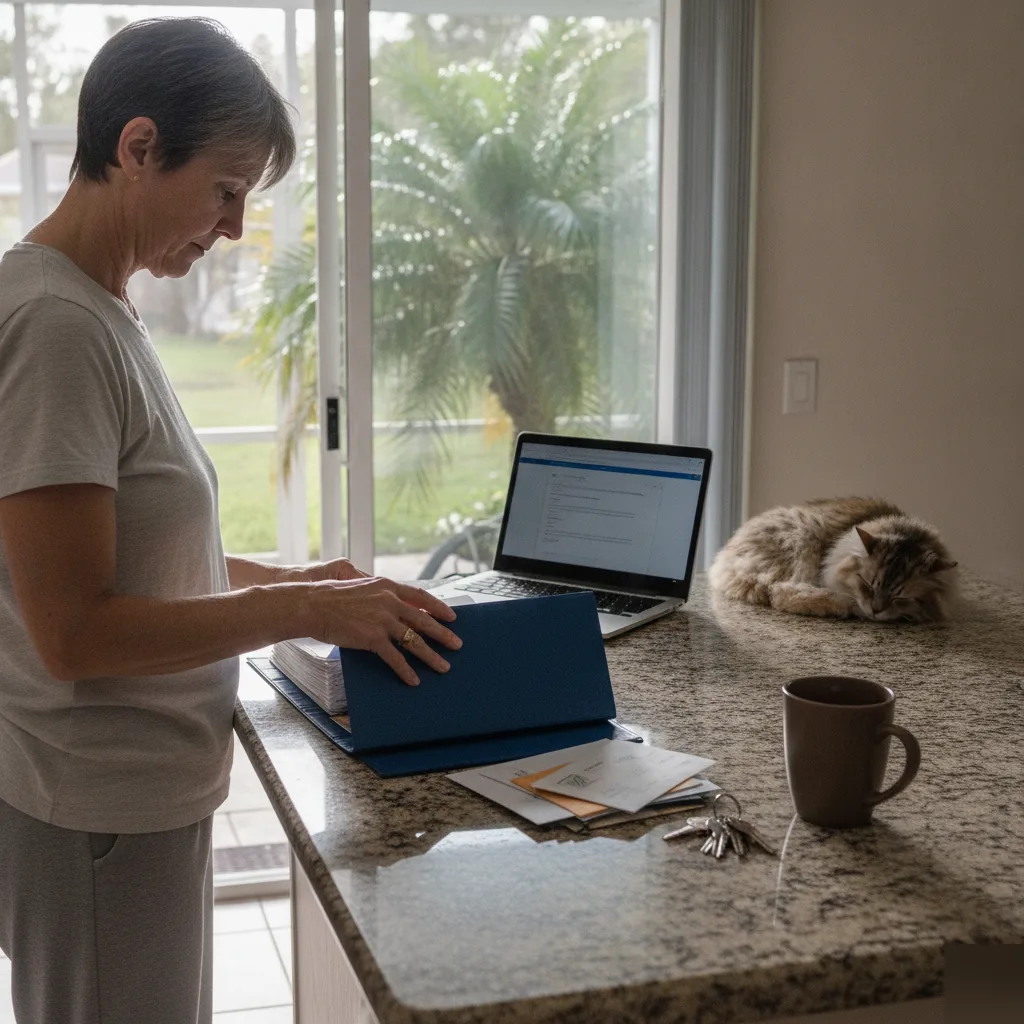
Florida homestead law gives special protection to a primary home. That same law can limit who may inherit the home if a spouse or minor child survives the owner. For a single-family house you live in full time, these rules come before almost every other planning choice.
Picture a hypothetical family home near MetroWest Golf Club. The owners want to leave the house to their adult children. Whether that wish works as written depends on who survives them and how the home is titled.
An estate planning lawyer can help you weigh a few paths. You can keep the home in your name and pass it through your will, with the homestead limits in mind. You can place the home in a trust so it can pass without probate. Or you can add other tools that fit your family and your goals.
Each path has a tradeoff. Keeping the home in your name is simple now but may mean probate later. A trust can avoid probate, but the wording matters: a carefully drafted trust can keep the homestead tax exemption, while loose wording can put that exemption at risk.
Married owners need extra attention. Both spouses usually need to be part of the plan for a homestead home, and one spouse acting alone can create a plan that doesn’t hold up.
Second homes and rentals in the area are treated differently than a primary residence. If you own both, it matters which rules apply to each property. Contact Pathway Law, P.A. to ask about how your home is titled today.
Secure Your Legacy With Thoughtful Estate and Business Planning
Losing a parent is hard, and the paperwork arrives fast. Heirs often need to act quickly on a home in the neighborhood.
Windermere and Metrowest sit in Orange County. Florida probate for a resident is generally filed in the county where the person lived, and for a nonresident, in a county where the property is located. Probate is the court process that confirms who has authority over an estate and who receives the property.
Florida has two common paths. Summary administration is a shorter process available for some smaller estates, and formal administration is the fuller process used for other estates. Which path fits depends on the details of the estate, so those details need to be reviewed first.
In formal administration, the court appoints a personal representative. The personal representative is the person who manages the estate, pays bills, and hands out property. That role carries real duties, and the person serving needs to understand them.
The type of home changes what comes up during probate. A condo unit may involve association dues and notices that keep coming while the case is open, and someone has to track those bills. A single-family home may involve homestead questions about who can inherit it.
Out-of-state families face one more step. If the person lived elsewhere but owned a condo here, ancillary probate may be needed in Florida. Ancillary probate is a second, smaller case in the state where the property sits.
If your family is flying in, keep the deed and any association notices you’ve received on hand when you contact our office on Conroy Windermere Road.

Call soon after a death to learn which probate path fits your family.
Pathway Law, P.A. is at 9100 Conroy Windermere Road, Windermere 34786. The best route and drive time depend on where you start in the neighborhood and on traffic, so check a current map or navigation app before you leave.
The neighborhood has a few well-known places in and around the community:
Reach out to Pathway Law, P.A. with your deed and any HOA or condo papers in hand, so the conversation can start with the home you actually own.
It is not always easy to find the right attorney to handle your legal needs. That is why Pathway Law, P.A. offers the opportunity to speak with us for free about your legal needs.
Call Now! 407-792-6011