Quick Summary: For Eagles Nest families who own the home they live in, that house often shapes the estate plan. Pathway Law, P.A. is an estate planning attorney in Windermere, and a well-built will or trust should account for both your deed and your family.
Wills, revocable trusts, Florida homestead rules and probate all affect what happens to your house. Your home is often your largest asset, so your plan should account for Florida law and how Orange County handles deeds and estates.
Meeting in person can make it easier to review your deed, point to the lines that matter, and ask your questions directly. That’s usually clearer than a long email chain or a form you fill out alone.
Live nearby and want to talk through your plan? Call Pathway Law, P.A. to ask about consultation times, or contact our Windermere office.
For homeowners in the neighborhood who live in the home they own, an estate plan often starts with the house.
Florida law adds a layer that surprises many owners. When your primary home is homestead, the Florida Constitution limits who can receive it by will if you leave a spouse or a minor child. You can’t always leave the home to whoever you want.
Take a hypothetical case. Say a will leaves the house to one adult child, and the owner’s spouse is still living. That gift may not work the way the will says, because the homestead rules can override it. A plan that looks simple on paper can fail at the moment your family needs it most.
Title comes first. How your deed is held changes what happens when you die. The common setups are:
Each one passes the home in a different way. That’s why it helps to review your deed before anything is drafted. A will can’t fix a title problem it doesn’t know about.
Taxes matter too. Many Florida homeowners claim the Florida homestead property tax exemption, and a good plan keeps that exemption in place. Moving the home the wrong way could put the exemption at risk, so it helps to look at the tax side and the inheritance side together.
It also helps to know which court would handle the estate. If a homeowner in the area who lived in the home passes away and the home goes through probate, the case is generally handled in Orange County. Knowing how that court works can save your heirs time and confusion.
Where you keep the signed originals matters too. Store them somewhere safe, and tell a trusted person where they are. An original will that no one can find, or one that gets damaged, can cause real trouble later.
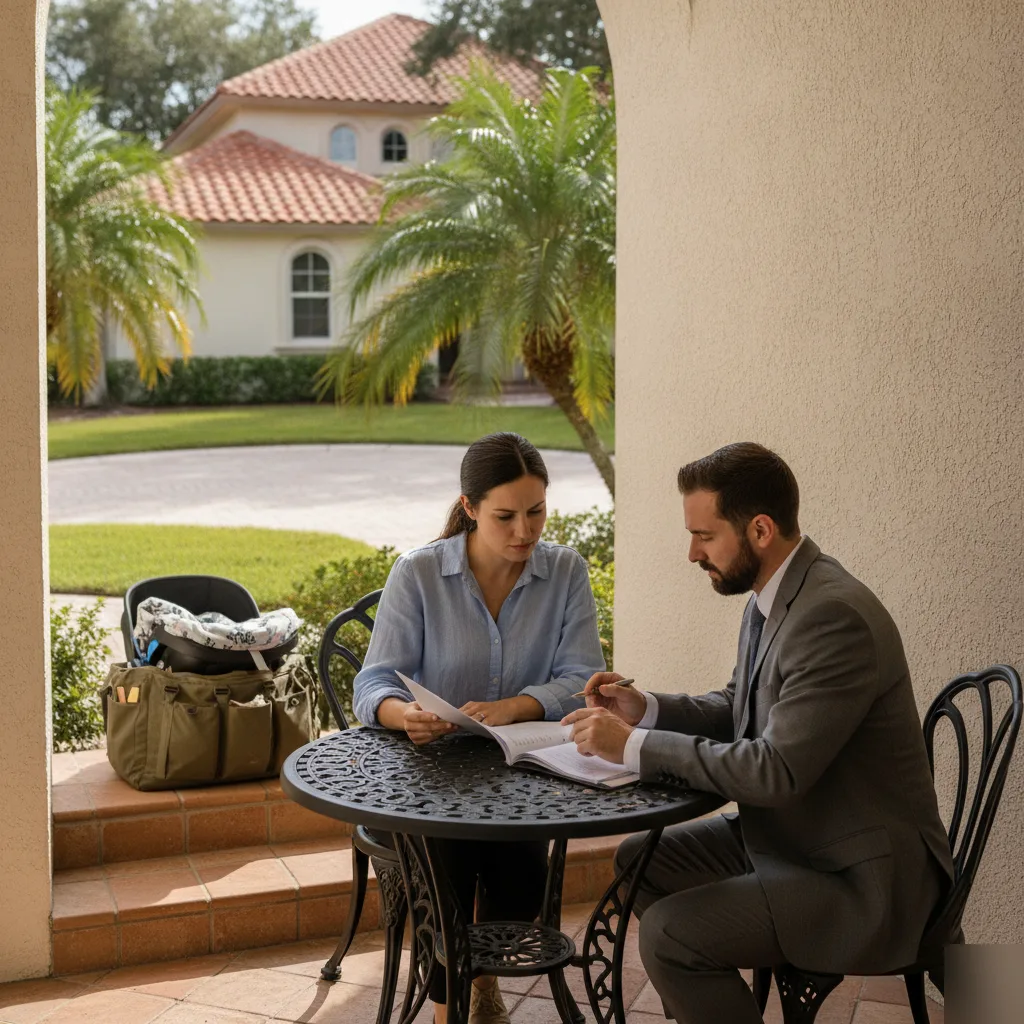
Florida homestead rules decide much of how your house can pass through a will. You can name who gets the house, but homestead law limits who you can name.
Homestead is your main Florida home, and state law gives it special protections that other property doesn’t get. Those protections cover certain family members. A surviving spouse and minor children have rights in the homestead that a will can’t simply override, even if your will says something different.
Here’s another hypothetical to show why this matters. A couple in the neighborhood wants the house to go to a child from an earlier marriage. That goal is possible in some cases, but it takes careful planning, and sometimes a spousal waiver. Florida allows a spouse to waive homestead rights in writing, often as part of a prenuptial or postnuptial agreement (a contract signed before or after marriage). Without a valid waiver, the spouse’s rights may control what happens to the home.
A will also has to be signed the right way. Florida wills need two witnesses. Adding a self-proving affidavit, which is a sworn statement signed in front of a notary, can make probate smoother later. With it, the court usually doesn’t need to track down your witnesses.
What to bring to your first meeting:
For any owner with a blended family, a homestead review is a good first step. A review of your deed and family situation can show where the rules may affect your wishes.
Want to know how homestead rules affect your house? Contact Pathway Law, P.A. to discuss your homestead and deed questions.
A revocable living trust gives local homeowners a way to pass the house without a will doing all the work. Preparing a trust means two jobs: drafting the trust document and funding the trust.
The trust holds your property while you live. You stay in control, and you can change the trust or cancel it.
This is the step many people miss. The trust only helps if your house is actually deeded into it. A signed trust with the home still in your own name may leave your family facing probate anyway. Funding the trust means preparing a new deed that moves the home from your name into the trust, then recording that deed with Orange County. Once it’s recorded, the trust holds title to the house.
Your tax exemption needs attention here. A properly drafted trust can usually keep the Florida homestead tax exemption, but the wording matters, so the trust should be written with that exemption in mind.
You’ll also name a successor trustee. This is the person who steps in to manage or sell the Windermere home if you can’t. Choose someone you trust to handle money and paperwork with care.
A trust doesn’t cover every decision. Pair it with incapacity papers:
A trust isn’t the only option. Florida also recognizes an enhanced life estate deed, often called a lady bird deed, which may fit some homeowners. It’s worth comparing it with a trust and weighing the tradeoffs for your situation.

Secure Your Legacy With Thoughtful Estate and Business Planning
Orange County probate often becomes the first big question after a homeowner in the area passes away. Losing a parent is hard. The house is usually tied to many memories, and you may feel pressure to make choices fast. Having an attorney’s guidance through probate means you aren’t left to sort it out alone.
If the home was titled only in the person’s name, with no trust or other transfer plan, a court case is usually needed to pass it. Homes in Windermere fall under Orange County, so for an owner who lived in the home, the case is generally filed in that county’s probate court. Florida generally requires a personal representative (the person who manages the estate) to work with a lawyer in most probate cases.
There are two main paths: summary administration for some smaller estates, and formal administration for others. Which path fits depends on the estate, starting with its size.
Homestead can come up in probate too. The court may decide whether the home is protected homestead, and that decision affects creditors and who inherits the house.
Some owners live elsewhere. If the owner lived in another state but owned the Windermere home, ancillary probate in Florida may be needed. Ancillary probate is a second, smaller case in the state where the property sits.
First steps for heirs:
If a decision about the house can’t wait, talk with an attorney about the next steps before you act.

Pathway Law, P.A. is located at 9100 Conroy Windermere Road, Windermere 34786. From the neighborhood, enter that address into your map app and follow the route it provides.
Traffic can change your drive time. Allow extra time during school drop-off and evening rush hours, especially if your appointment is early in the morning or late in the day. Bring your deed and any current will or trust to your visit.
Ready to meet in person? Contact us to ask about a meeting at our Conroy Windermere Road office.
It is not always easy to find the right attorney to handle your legal needs. That is why Pathway Law, P.A. offers the opportunity to speak with us for free about your legal needs.
Call Now! 407-792-6011